19 October 2026
Expert Norway Rat Control: Protecting Your Property in Cleveland TN
Presented by @norwayratcontrollife
When I first started working in pest management, I quickly learned that not all rodents are the same. The Norway rat, in particular, stands out for its size, intelligence, and sheer adaptability. These rats are not just a nuisance; they pose serious risks to property and health. In Cleveland TN, where older homes and commercial buildings often have cracks and crevices that invite pests, effective Norway rat control is not optional. It is a necessity.
Over the years, I have seen what happens when a property owner tries to handle the problem alone. They might set a few snap traps, see a rat or two, and think the job is done. But Norway rats are cautious. They learn quickly. If a trap does not feel right, they avoid it. If a poison is placed carelessly, they might die inside a wall and create a terrible smell. That is why a professional approach, one that uses integrated pest management, is so important. It combines trapping, exclusion, and ongoing monitoring to solve the problem for good.
Understanding the Norway Rat
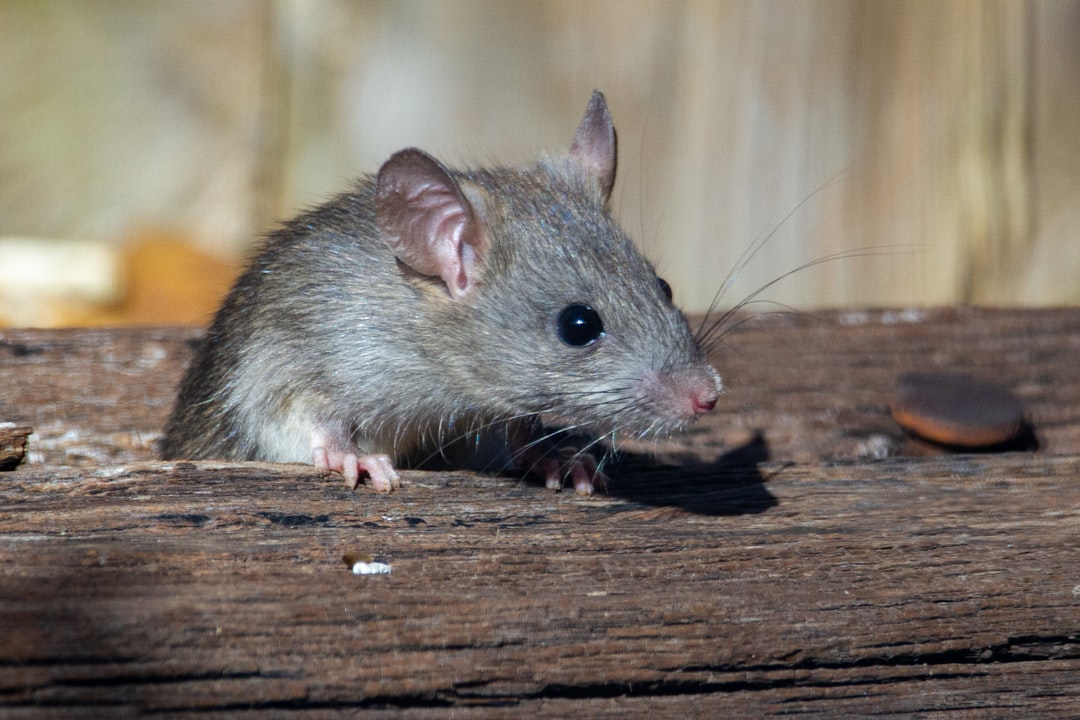
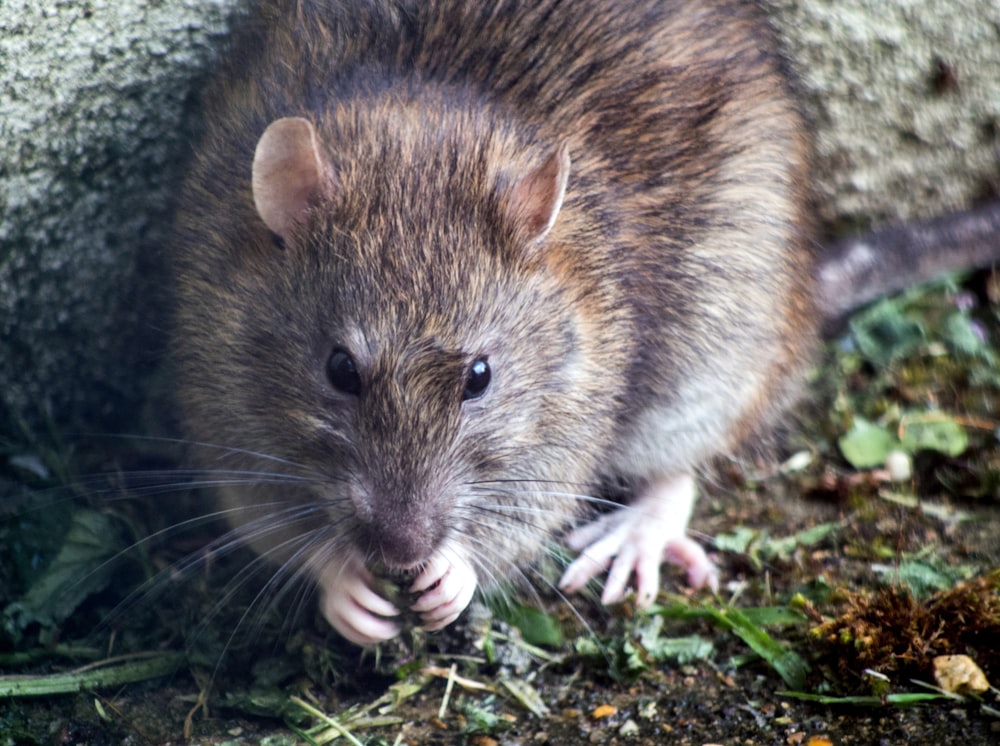
The Norway rat is sometimes called the brown rat or sewer rat. It is larger than the roof rat, with a heavier body and a blunt nose. These rats are burrowing animals. They dig rat burrows along foundations, under sheds, and near garbage piles. In Cleveland TN, the combination of mild winters and plenty of food sources means these rats breed year-round. A single female can produce up to twelve litters a year, each with seven or eight young. That is a lot of rats in a short time.
What makes Norway rat control challenging is their wariness. They are neophobic, meaning they are afraid of new things. A fresh trap or a new food source can make them suspicious for days. This is why a wildlife control operator needs patience and skill. You cannot just set a trap and walk away. You have to think like the rat, place the trap in its travel path, and sometimes pre-bait it to build confidence. Only then do you set the trap to catch.
Why Exclusion Matters
Trapping is a vital tool, but it is only part of the picture. If you catch every rat on your property today, more will come tomorrow unless you block their way in. That is where rodent exclusion comes in. The goal is to seal every possible entry point, turning your building into a fortress. I have seen homes where a single gap under a door, no bigger than a quarter, allowed a whole colony to enter. Norway rats can squeeze through gaps larger than a quarter, which is surprisingly small. They can climb pipes, gnaw through wood, and even chew through some plastics.
Sealing entry points requires a thorough home inspection. I usually start at the foundation, looking for cracks, holes, and loose vents. Then I move up, checking windows, doors, and rooflines. Any gap larger than a quarter is a potential entry. For small holes, I use steel wool packed tightly into the gap. Rats hate chewing through steel wool because it cuts their mouth and throat. For larger gaps, I install weatherstripping around doors and windows, or use metal flashing to block vents. In some cases, I use a one-way exclusion door to let rats leave but not come back. This is a humane way to clear an infestation without trapping every single animal.
Trapping Techniques and Tools
When I do need to trap, I rely on a range of trapping devices. Snap traps are still one of the most effective tools, but they require proper placement. I set them along walls, in dark corners, and near rat burrows. I use baited stations to protect the trap from weather and curious pets. The bait should be something the rats are already eating, not a new food. Often, I use peanut butter or a piece of dried fruit. For larger infestations, I might use multiple-catch traps or even live traps if the situation calls for it.
Rodenticide is a tool I use sparingly. It can be effective, but it comes with risks. If a rat dies in a wall, the smell can last for weeks. Also, poisoned rats might be eaten by predators, which then get sick. I prefer non-toxic methods when possible. But in some cases, especially in commercial buildings with heavy infestations, a carefully placed rodenticide in tamper-resistant bait stations can help bring numbers down quickly. The key is to use it as part of a broader plan, not as a standalone fix.
Health Risks and Dropping Vector
One of the most serious concerns with Norway rats is disease. Rats carry pathogens in their urine and droppings. The dropping vector is real; when dried droppings become airborne, they can spread bacteria and viruses. Hantavirus, salmonella, and leptospirosis are all associated with rats. In addition, rats carry fleas, ticks, and mites that can bite humans and pets. This is why you should never vacuum up rat droppings. The proper way is to wear a mask and gloves, wet the area with a disinfectant, and carefully sweep it up. Then dispose of everything in a sealed bag.
For property owners in Cleveland TN, the health risk is compounded by the fact that rats often travel between homes through sewers and crawl spaces. A single infested building can affect an entire neighborhood. That is why professional Norway rat control is not just about one house. It is about community health.
Structural Repairs and Long-Term Prevention
After the rats are gone and the entry points are sealed, the next step is structural repairs. This might mean replacing rotted wood, fixing broken vents, or repairing damaged pipes. Rats are attracted to areas with moisture and food. If a pipe is leaking under a house, it creates a perfect environment for rats. Fixing that leak is part of rat-proofing the structure. I work with contractors and homeowners to identify these issues and address them.
Long-term prevention includes regular monitoring. I set up baited stations around the perimeter of the property. I check them monthly to see if there is any new activity. If a station is disturbed, I know a rat is trying to get in. Then I can trace the entry and seal it before the problem grows. This is the essence of integrated pest management: using a combination of tactics to keep pests out, not just kill them when they are already inside.
Choosing a Professional
If you need Norway rat control, look for a wildlife control operator with experience in exclusion and trapping. Not all pest control companies focus on rodents. Some just spray for insects and call it a day. You want someone who understands rat behavior, knows how to seal entry points, and uses a variety of tools. Hiwassee Pest Control, based in Cleveland TN, has built its reputation on exactly this kind of work. They offer home inspections, trapping, exclusion, and structural repairs. They do not rely on a single method. They adapt to the situation.
When you call a professional, expect a thorough inspection first. They should walk the property inside and out, looking for rat burrows, droppings, gnaw marks, and rub marks along walls. They should ask about your habits, like feeding pets outside or storing garbage in open bins. Then they will create a plan that includes trapping, sealing, and follow-up. Do not accept a quick fix. Real Norway rat control takes time and effort.
Final Thoughts
Norway rats have been living alongside humans for centuries. They are not going away. But with the right approach, you can keep them out of your home and business. Start with a good home inspection, seal every gap, use trapping devices wisely, and maintain the property. If you need help, call a professional who knows the local conditions in Cleveland TN. Norway rat control is not a one-time job. It is an ongoing commitment to keeping your space clean and secure.